
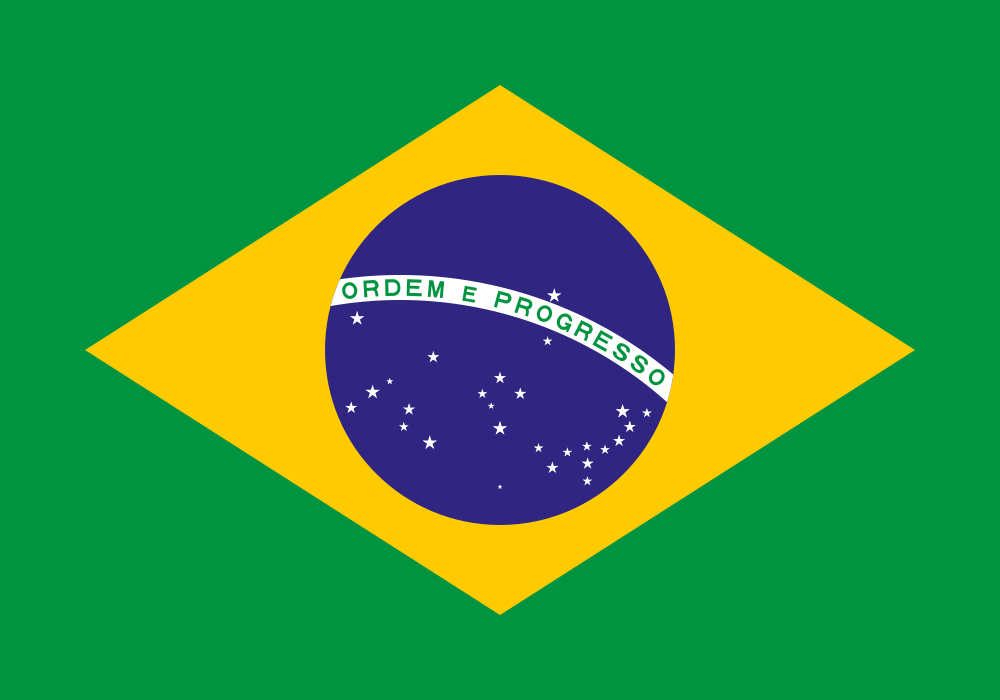
 Brazil
Brazil as a State Party to the World Heritage Convention
State Party since: September 1, 1977
Status: Acceptance
Mandates to the World Heritage Committee: 1980-1987, 1987-1993, 1993-1999, 2007-2011, 2017-2021
Total of Mandate Years: 27
Total of Mandates: 5
WHC Electoral Group: III (Latin America/Caribbean)
World Heritage Sites in Brazil (26)
Cultural: 16 | Natural: 9 | Mixed: 1
- Amazonia Theaters · Cultural
- Atlantic Forest South-East Reserves · Natural
- Brasilia · Cultural
- Brazilian Atlantic Islands: Fernando de Noronha and Atol das Rocas Reserves · Natural
- Central Amazon Conservation Complex · Natural
- Cerrado Protected Areas: Chapada dos Veadeiros and Emas National Parks · Natural
- Discovery Coast Atlantic Forest Reserves · Natural
- Historic Centre of Salvador de Bahia · Cultural
- Historic Centre of São Luís · Cultural
- Historic Centre of the Town of Diamantina · Cultural
- Historic Centre of the Town of Goiás · Cultural
- Historic Centre of the Town of Olinda · Cultural
- Historic Town of Ouro Preto · Cultural
- Iguaçu National Park · Natural
- Jesuit Missions of the Guaranis: San Ignacio Mini, Santa Ana, Nuestra Señora de Loreto and Santa Maria Mayor (Argentina), Ruins of Sao Miguel das Missoes (Brazil) · Cultural (Transboundary)
- Lençóis Maranhenses National Park · Natural
- Pampulha Modern Ensemble · Cultural
- Pantanal Conservation Area · Natural
- Paraty and Ilha Grande – Culture and Biodiversity · Mixed
- Peruaçu River Canyon · Natural
- Rio de Janeiro: Carioca Landscapes between the Mountain and the Sea · Cultural
- Sanctuary of Bom Jesus do Congonhas · Cultural
- Serra da Capivara National Park · Cultural
- São Francisco Square in the Town of São Cristóvão · Cultural
- Sítio Roberto Burle Marx · Cultural
- Valongo Wharf Archaeological Site · Cultural
Map of World Heritage Sites
This interactive map shows the location of all UNESCO World Heritage Sites in Brazil.
World Heritage Inscription Timeline
Tentative World Heritage Sites (19)
- Abrolhos Marine National Park · submitted: December 19, 2025
- Protected Areas of the Caatinga Dry Tropical Forest · submitted: September 1, 2025
- Golden Lion Tamarin Protected Areas · submitted: September 1, 2025
- Sociobiodiverse Cultural Basin of the Chapada do Araripe · submitted: February 1, 2024
- Oswaldo Cruz Foundation: health, science and culture in Manguinhos · submitted: February 1, 2024
- Amazonia Theaters · submitted: January 30, 2015
- Brazilian Fortresses Ensemble · submitted: January 30, 2015
- Cedro Dam in the Quixadá Monoliths · submitted: January 30, 2015
- Geoglyphs of Acre · submitted: January 30, 2015
- Itacoatiaras of Ingá River · submitted: January 30, 2015
- Cultural Landscape of Paranapiacaba: Village and railway systems in the Serra do Mar Mountain Range, São Paulo · submitted: February 27, 2014
- Ver-o-Peso · submitted: February 27, 2014
- Serra do Divisor National Park · submitted: September 16, 1998
- Serra da Canastra National Park · submitted: September 16, 1998
- Cavernas do Peruaçu Federal Environmental Protection Area (APA) / Veredas Do Peruaçu State Park · submitted: September 16, 1998
- Eglise et Monastère de Sao Bento, Rio de Janeiro · submitted: September 6, 1996
- Palais de la Culture, ancien siège du Ministère de l'Education et de la Santé, Rio de Janeiro · submitted: September 6, 1996
- Parc national du Pico da Neblina (Amazonas) · submitted: September 6, 1996
- Station écologique de Taim (Rio Grande do Sul) · submitted: September 6, 1996
Country Profile Brazil
Official Name: Federative Republic of Brazil
Continent: Americas
Subregion: South America
UNESCO Region: Latin America and the Caribbean
Capital: Brasília
Population (2024): 211,998,573
Land Area: 8,358,140 km²
Currency: Brazilian real (BRL)
About States Parties
States Parties are countries that have joined the World Heritage Convention. They commit to identifying, nominating, and protecting properties of outstanding cultural or natural value on their territory. States Parties are also expected to monitor and report on the condition of inscribed sites.