
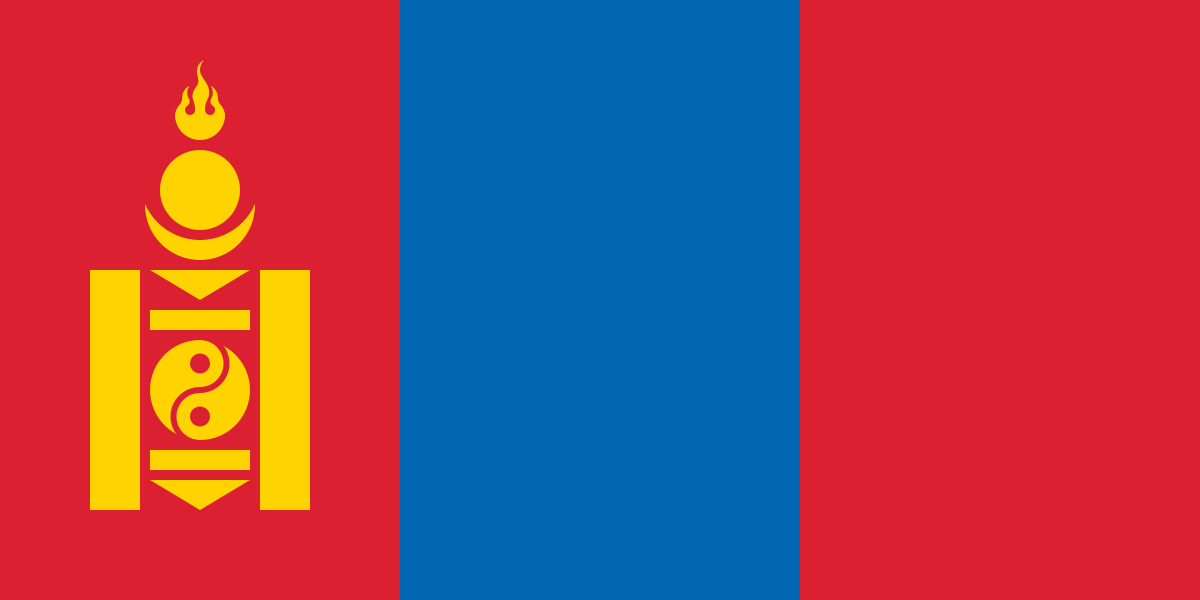
 Mongolia
Mongolia as a State Party to the World Heritage Convention
State Party since: February 2, 1990
Status: Acceptance
Mandates to the World Heritage Committee: 2025-2029
Total of Mandate Years: 4
Total of Mandates: 1
WHC Electoral Group: IV (Asia/Pacific)
World Heritage Sites in Mongolia (7)
Cultural: 5 | Natural: 2 | Mixed: 0
- Deer Stone Monuments and Related Bronze Age Sites · Cultural
- Great Burkhan Khaldun Mountain and its surrounding sacred landscape · Cultural
- Landscapes of Dauria · Natural (Transboundary)
- Orkhon Valley Cultural Landscape · Cultural
- Petroglyphic Complexes of the Mongolian Altai · Cultural
- The Cemetery Complexes of the Xiongnu Nobility · Cultural
- Uvs Nuur Basin · Natural (Transboundary)
Map of World Heritage Sites
This interactive map shows the location of all UNESCO World Heritage Sites in Mongolia.
World Heritage Inscription Timeline
Tentative World Heritage Sites (12)
- The Mongolian section of the Great Tea Route · submitted: April 9, 2025
- Sacred Mountains of Mongolia · submitted: November 23, 2015
- Desert Landscapes of the Mongolian Great Gobi · submitted: December 19, 2014
- Cretaceous Dinosaur Fossil Sites in the Mongolian Gobi · submitted: December 19, 2014
- Eastern Mongolian Steppes · submitted: December 19, 2014
- Amarbayasgalant Monastery and its Surrounding Sacred Cultural Landscape · submitted: December 19, 2014
- Baldan Bereeven Monastery and its Sacred Surroundings · submitted: December 19, 2014
- Sacred Binder Mountain and its Associated Cultural Heritage Sites · submitted: December 19, 2014
- Funeral Sites of the Xiongnu Elite · submitted: December 19, 2014
- Archaeological Site at Khuduu Aral and Surrounding Cultural Landscape · submitted: December 19, 2014
- Petroglyphic Complexes in the Mongolian Gobi · submitted: December 19, 2014
- Highlands of Mongol Altai · submitted: December 19, 2014
Country Profile Mongolia
Official Name: Mongolia
Continent: Asia
Subregion: Eastern Asia
UNESCO Region: Asia and the Pacific
Capital: Ulan Bator
Population (2024): 3,524,788
Land Area: 1,557,510 km²
Currency: Mongolian tögrög (MNT)
About States Parties
States Parties are countries that have joined the World Heritage Convention. They commit to identifying, nominating, and protecting properties of outstanding cultural or natural value on their territory. States Parties are also expected to monitor and report on the condition of inscribed sites.