
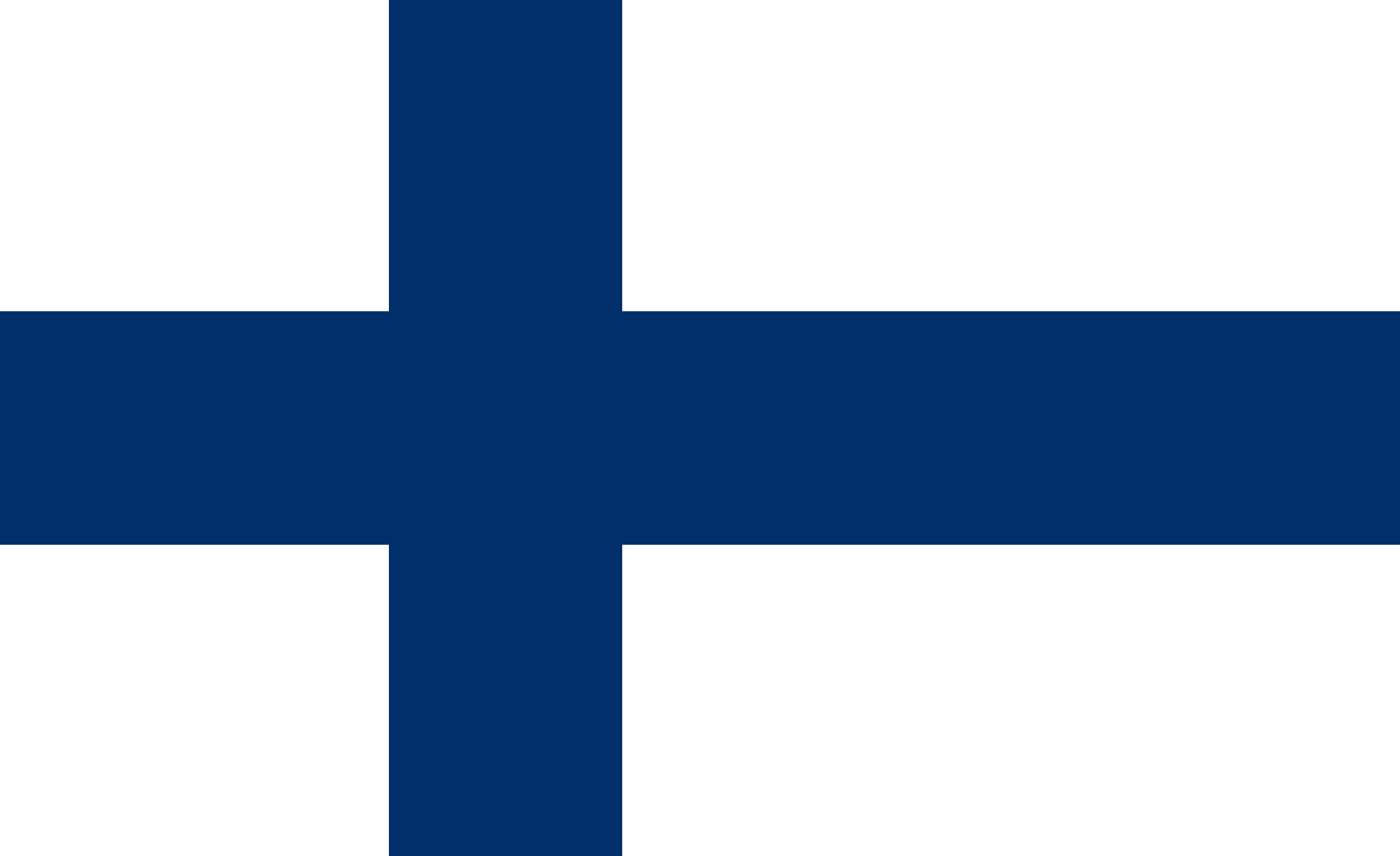
 Finland
Finland as a State Party to the World Heritage Convention
State Party since: March 4, 1987
Status: Ratification
Mandates to the World Heritage Committee: 1997-2003, 2013-2017
Total of Mandate Years: 10
Total of Mandates: 2
WHC Electoral Group: I (Western Europe/North America)
World Heritage Sites in Finland (8)
Cultural: 7 | Natural: 1 | Mixed: 0
- Aalto Works · Cultural
- Bronze Age Burial Site of Sammallahdenmäki · Cultural
- Fortress of Suomenlinna · Cultural
- High Coast / Kvarken Archipelago · Natural (Transboundary)
- Old Rauma · Cultural
- Petäjävesi Old Church · Cultural
- Struve Geodetic Arc · Cultural (Transboundary)
- Verla Groundwood and Board Mill · Cultural
Map of World Heritage Sites
This interactive map shows the location of all UNESCO World Heritage Sites in Finland.
World Heritage Inscription Timeline
Tentative World Heritage Sites (2)
- The Architectural Works of Alvar Aalto - a Human Dimension to the Modern Movement · submitted: January 28, 2021
- The Ringed Seal Archipelagos of Lake Saimaa · submitted: January 28, 2021
Country Profile Finland
Official Name: Republic of Finland
Continent: Europe
Subregion: Northern Europe
UNESCO Region: Europe and North America
Capital: Helsinki
Population (2024): 5,637,214
Land Area: 303,950 km²
Currency: Euro (EUR)
About States Parties
States Parties are countries that have joined the World Heritage Convention. They commit to identifying, nominating, and protecting properties of outstanding cultural or natural value on their territory. States Parties are also expected to monitor and report on the condition of inscribed sites.