World Heritage Identification Number: 1620
World Heritage since: 2021
Category: Cultural Heritage
WHE Type: Buildings & Architectural Ensembles
Transboundary Heritage: No
Endangered Heritage: No
Country: 🇧🇷 Brazil
Continent: Americas
UNESCO World Region: Latin America and the Caribbean
Map
A Living Work of Art: Sítio Roberto Burle Marx
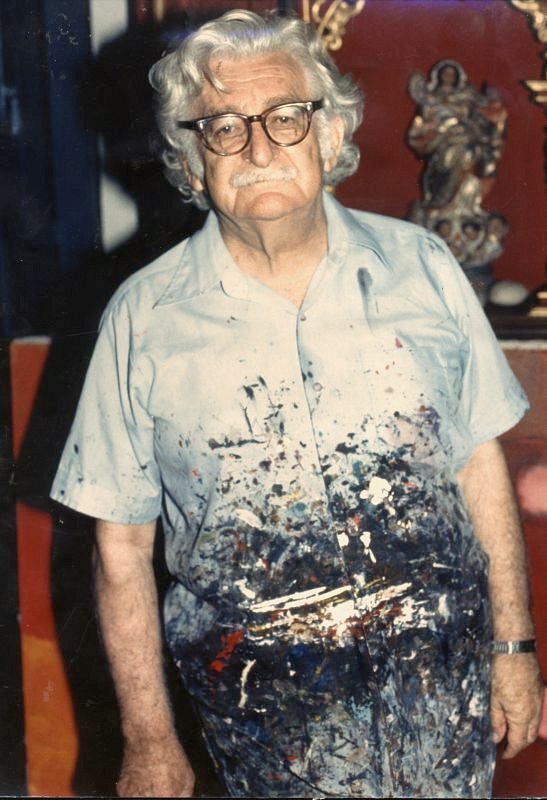
Sítio Roberto Burle Marx, located in the western region of Rio de Janeiro, stands as a testament to the visionary work of landscape architect and artist Roberto Burle Marx (1909-1994). This property, inscribed on the UNESCO World Heritage List in 2021, serves as a "landscape laboratory" where Burle Marx created "living works of art," utilizing native plants and drawing upon Modernist ideas.
More to come…UNESCO Description of the World Heritage Site
Situated in the western region of Rio de Janeiro, the property embodies a successful project developed over more than 40 years by landscape architect and artist Roberto Burle Marx (1909-1994), a “landscape laboratory” to create “living works of art” using native plants and drawing on Modernist ideas. Began in 1949, the property encompasses extensive landscapes, gardens, buildings and collections, which feature the key characteristics that came to define Burle Marx’s landscape gardens and influenced the development of modern gardens internationally. The site is characterized by sinuous forms, exuberant mass planting, architectural plant arrangements, dramatic colour contrasts, use of tropical plants, and the incorporation of elements of traditional folk culture. By the end of the 1960s, the site housed the most representative collection of Brazilian plants, alongside other rare tropical species. In the site, 3,500 cultivated species of tropical and subtropical flora grow in harmony with the native vegetation of the region, notably the Atlantic Forest biome and associated ecosystems, mangrove swamp and restinga (coastal tropical sandy plain). Sítio Roberto Burle Marx exhibits an ecological conception of form as a process, including social collaboration which is the basis for environmental and cultural preservation. It comprises the first modern tropical garden to be inscribed on the World Heritage List.
UNESCO Justification of the World Heritage Site
Criterion (ii): Sítio Roberto Burle Marx demonstrates an important interchange of ideas on landscape design related to the importation of ideas of the Modernist art movement from Europe, their shaping and adaptation through experimentation to a landscape form based on the use of native tropical flora, and their use in a huge number of parks and gardens around the world, which together have had a profound impact on the development of what is now known as Modernist Tropical garden design.
Criterion (iv): Sítio Roberto Burle Marx is an outstanding example of a landscape that demonstrates the development of a new type of landscape design that fused creative ideas of the Modern art movement with local typologies and tropical plants to create a style that ultimately became known as the modern tropical garden.
Encyclopedia Record: Roberto Burle Marx
Roberto Burle Marx was a Brazilian landscape architect whose designs of parks and gardens made him world-famous. He is credited with having introduced modernist landscape architecture to Brazil. He was known as a modern nature artist and a public urban space designer. His work had a great influence on tropical garden design in the 20th century. Water gardens were a popular theme in his work. He was deftly able to transfer traditional artistic expressions such as graphic design, tapestry and folk art into his landscape designs. He also designed fabrics, jewellery and stage sets.Additional Site Details
Area: 40.53 hectares
Number of Components: 1
(iv) — Outstanding example of a type of building or landscape
Coordinates: -23.0223777778 , -43.5462222222