World Heritage Identification Number: 151
World Heritage since: 1981
Category: Natural Heritage
WHE Type: Protected Areas & National Parks
Transboundary Heritage: No
Endangered Heritage: No
Country: 🇺🇸 United States of America
Continent: Americas
UNESCO World Region: Europe and North America
Map
Diversity Unveiled: Exploring the Ecosystems of Olympic National Park
Olympic National Park, a UNESCO World Heritage Site since 1981, showcases the remarkable diversity of ecosystems within a single geographical area. Situated in the northwestern corner of Washington State in the United States, this expansive park offers visitors an unparalleled opportunity to witness the harmonious coexistence of glacier-capped peaks, lush rainforests, and a pristine coastline.
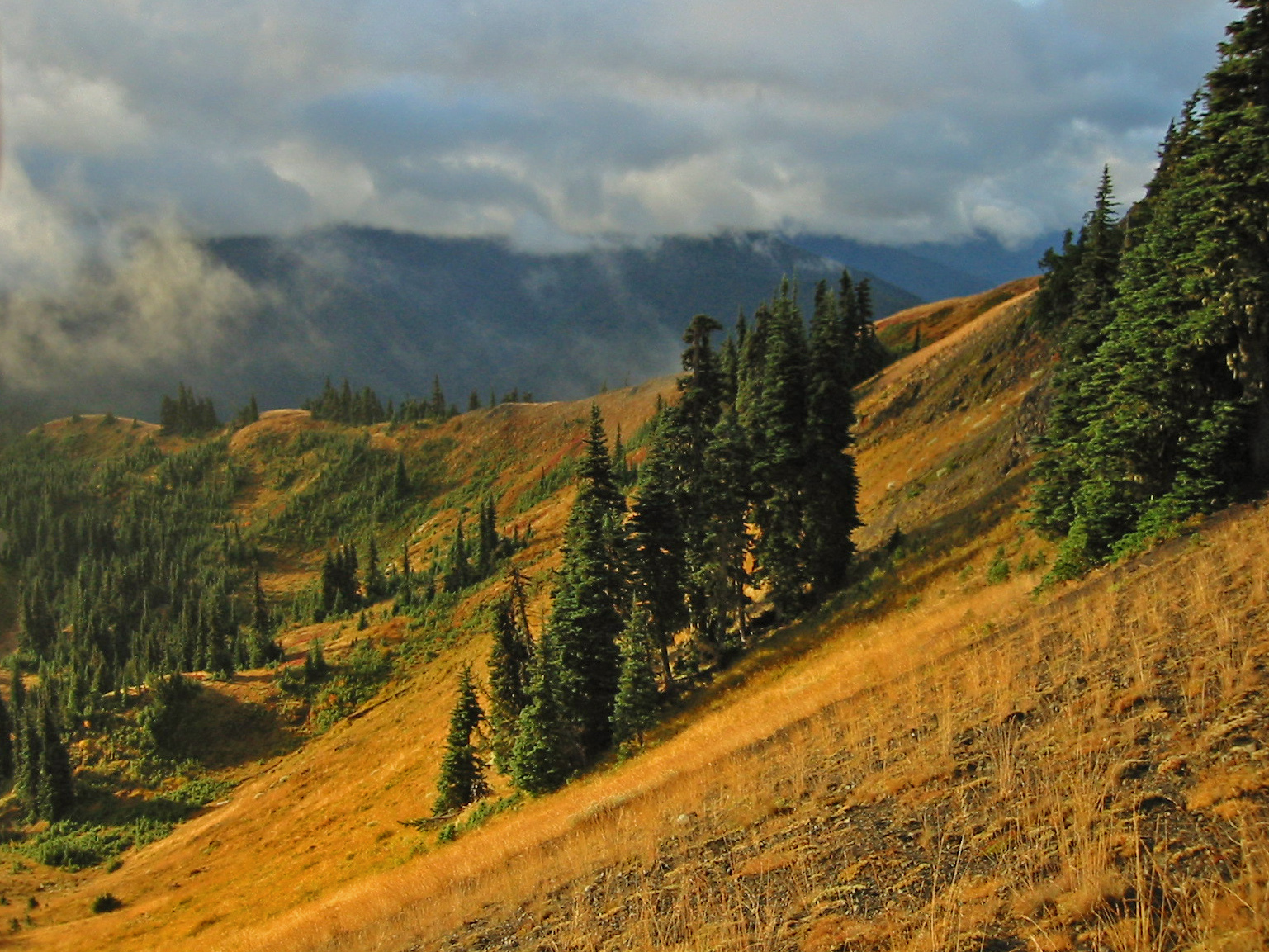
The park’s most striking feature is its mountainous region, home to the Olympic Mountains. These majestic peaks, adorned with snow and ice, provide a breathtaking backdrop to the surrounding landscapes. Interspersed among these towering summits are extensive alpine meadows, teeming with wildflowers during the summer months. The high-altitude environment supports unique flora and fauna, such as the endemic Olympic marmot and iconic species including Roosevelt elk and black bears.
A key aspect of Olympic National Park lies in its extensive old-growth forest, particularly the temperate rainforest found on the park's western side. This region contains one of the best-preserved examples of intact and protected temperate rainforest in the Pacific Northwest. The dense canopy of towering trees creates a verdant, misty environment that sustains a diverse array of plant and animal life. Notable inhabitants include the critically endangered northern spotted owl, the elusive marbled murrelet, and the vibrant banana slug.
Twelve major river systems flow through the Olympic Mountains, providing vital habitats for numerous aquatic species. Among these, the salmon and steelhead trout stand out as iconic residents. Their migratory journeys from freshwater streams to the open ocean and back again are integral to the health and nutrient cycles of the park’s ecosystems.
The park’s coastal region stretches for approximately 117 kilometers (73 miles), forming one of the longest undeveloped coastlines in the contiguous United States. This rugged shoreline features dramatic cliffs, sea stacks, secluded coves, and sandy beaches. The coast is also home to a variety of marine life, including gray whales, sea otters, and harbor seals. Visitors can explore the coastline via hiking trails or guided boat excursions, taking in the dramatic scenery and abundant wildlife.
While designated as a natural World Heritage Site for its ecological importance and outstanding natural phenomena, Olympic National Park is also the ancestral homeland of eight indigenous tribes, including the Makah, Quileute, Hoh, Quinault, Jamestown S’Klallam, Port Gamble S’Klallam, Skokomish, and Lower Elwha Klallam. For millennia, these communities have maintained a profound spiritual, cultural, and subsistence relationship with the land and its resources.
In summary, Olympic National Park offers a captivating glimpse into the intricate balance between various ecosystems. From the snow-capped peaks to the lush rainforests and the wild Pacific coast, each region plays a crucial role in maintaining the park's overall biodiversity. By preserving this unique landscape, Olympic National Park serves as a testament to the beauty and complexity of our planet's natural world.
UNESCO Description of the World Heritage Site
Located in the north-west of Washington State, Olympic National Park is renowned for the diversity of its ecosystems. Glacier-clad peaks interspersed with extensive alpine meadows are surrounded by an extensive old growth forest, among which is the best example of intact and protected temperate rainforest in the Pacific Northwest. Eleven major river systems drain the Olympic mountains, offering some of the best habitat for anadromous fish species in the country. The park also includes 100 km of wilderness coastline, the longest undeveloped coast in the contiguous United States, and is rich in native and endemic animal and plant species, including critical populations of the endangered northern spotted owl, marbled murrelet and bull trout.
UNESCO Justification of the World Heritage Site
Criterion (vii): Olympic National Park is of remarkable beauty, and is the largest protected area in the temperate region of the world that includes in one complex ecosystems from ocean edge through temperate rainforest, alpine meadows and glaciated mountain peaks. It contains one of the world’s largest stands of virgin temperate rainforest, and includes many of the largest coniferous tree species on earth.
Criterion (ix): The park’s varied topography from seashore to glacier, affected by high rainfall, has produced complex and varied vegetation zones, providing habitats of unmatched diversity on the Pacific coast. The coastal Olympic rainforest reaches its maximum development within the property and has a living standing biomass which may be the highest anywhere in the world. The park’s isolation has allowed the development of endemic wildlife, subspecies of trout, varieties of plants and unique fur coloration in mammals, indications of a separate course of evolution.
Encyclopedia Record: Olympic National Park
Olympic National Park is a national park of the United States located in Washington, on the Olympic Peninsula. The park has four regions: the Pacific coastline, alpine areas, the west-side temperate rainforest, and the forests of the drier east side. Within the park there are three distinct ecosystems, including subalpine forest and wildflower meadow, temperate forest, and the rugged Pacific coast.Additional Site Details
Area: 369,659.8 hectares
Number of Components: 2
(ix) — Outstanding example representing ecological and biological processes
Coordinates: 47.74833333 , -123.4488889
IUCN World Heritage Outlook
The 2025 Conservation Outlook on Olympic National Park reports the following assessment:
Source: International Union for Conservation of Nature (IUCN) · View assessment