World Heritage Identification Number: 623
World Heritage since: 1992
Category: Cultural Heritage
WHE Type: Historic Cities & Urban Areas
Transboundary Heritage: No
Endangered Heritage: No
Country: 🇩🇪 Germany
Continent: Europe
UNESCO World Region: Europe and North America
Map
A Journey Through Time: The Mines of Rammelsberg, Historic Town of Goslar, and Upper Harz Water Management System
The Mines of Rammelsberg, Historic Town of Goslar, and Upper Harz Water Management System form a unique ensemble that offers a captivating glimpse into the rich mining history of Germany. Inscribed as a UNESCO World Heritage Site in 1992, this remarkable complex showcases the evolution of mining techniques, urban development, and water management systems over several centuries.
More to come…UNESCO Description of the World Heritage Site
The Upper Harz mining water management system, which lies south of the Rammelsberg mines and the town of Goslar, has been developed over a period of some 800 years to assist in the process of extracting ore for the production of non-ferrous metals. Its construction was first undertaken in the Middle Ages by Cistercian monks, and it was then developed on a vast scale from the end of the 16th century until the 19th century. It is made up of an extremely complex but perfectly coherent system of artificial ponds, small channels, tunnels and underground drains. It enabled the development of water power for use in mining and metallurgical processes. It is a major site for mining innovation in the western world.
Encyclopedia Record: Rammelsberg
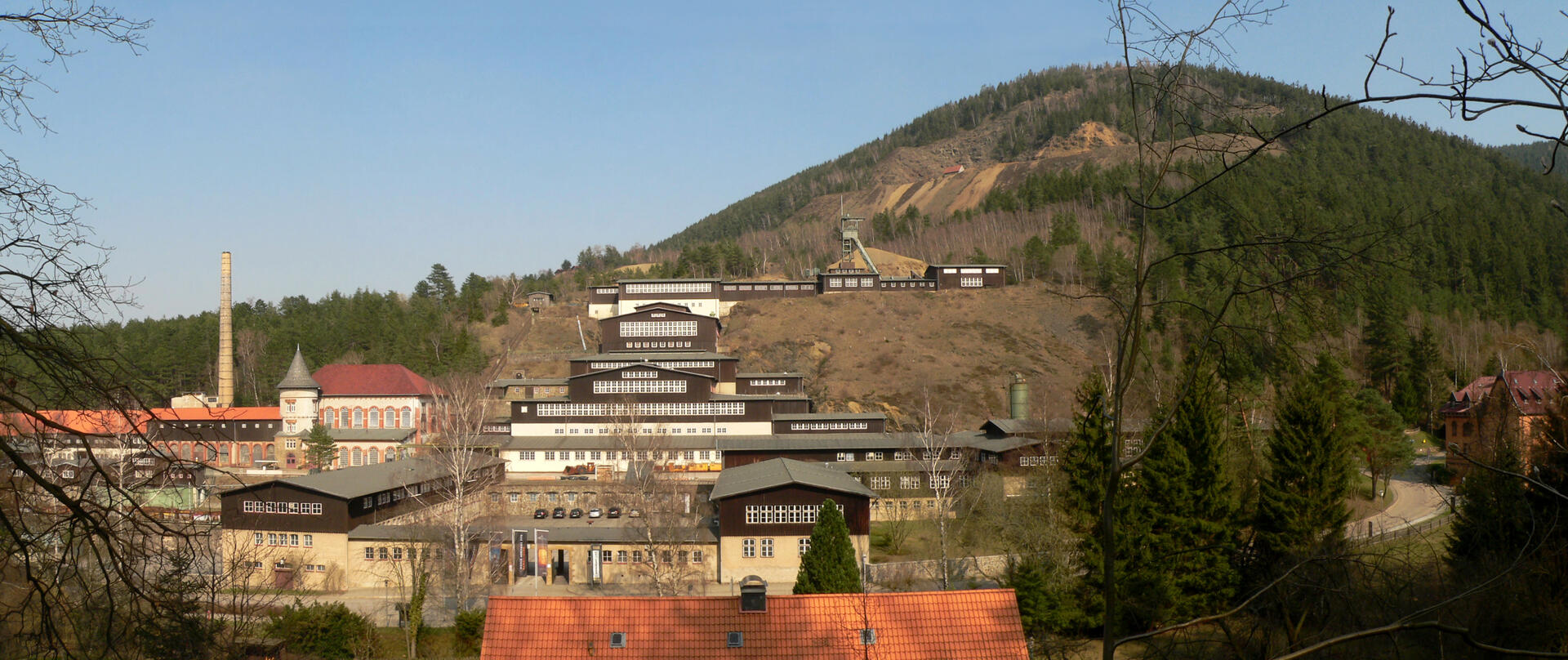
The Rammelsberg is a mountain, 635 metres (2,083 ft) high, on the northern edge of the Harz range, south of the historic town of Goslar in the North German state of Lower Saxony. The mountain is the location of an important silver, copper, and lead mine. When it closed in 1988, it had been the only mine still working continuously for over 1,000 years. Because of its long history of mining and testimony to the advancement and exchange of technology over many centuries, the visitor mine of Rammelsberg was inscribed as a UNESCO World Heritage Site in 1992.Additional Site Details
Area: 1,009.89 hectares
(ii) — Significant interchange of human values
(iii) — Unique or exceptional testimony to a cultural tradition
(iv) — Outstanding example of a type of building or landscape
Coordinates: 51.82 , 10.34