World Heritage Identification Number: 824
World Heritage since: 1997
Category: Cultural Heritage
WHE Type: Agriculture Landscapes, Parks & Gardens
Transboundary Heritage: No
Endangered Heritage: No
Country: 🇮🇹 Italy
Continent: Europe
UNESCO World Region: Europe and North America
Map
The Orto Botanico di Padova: Inside the World's First Academic Botanical Garden
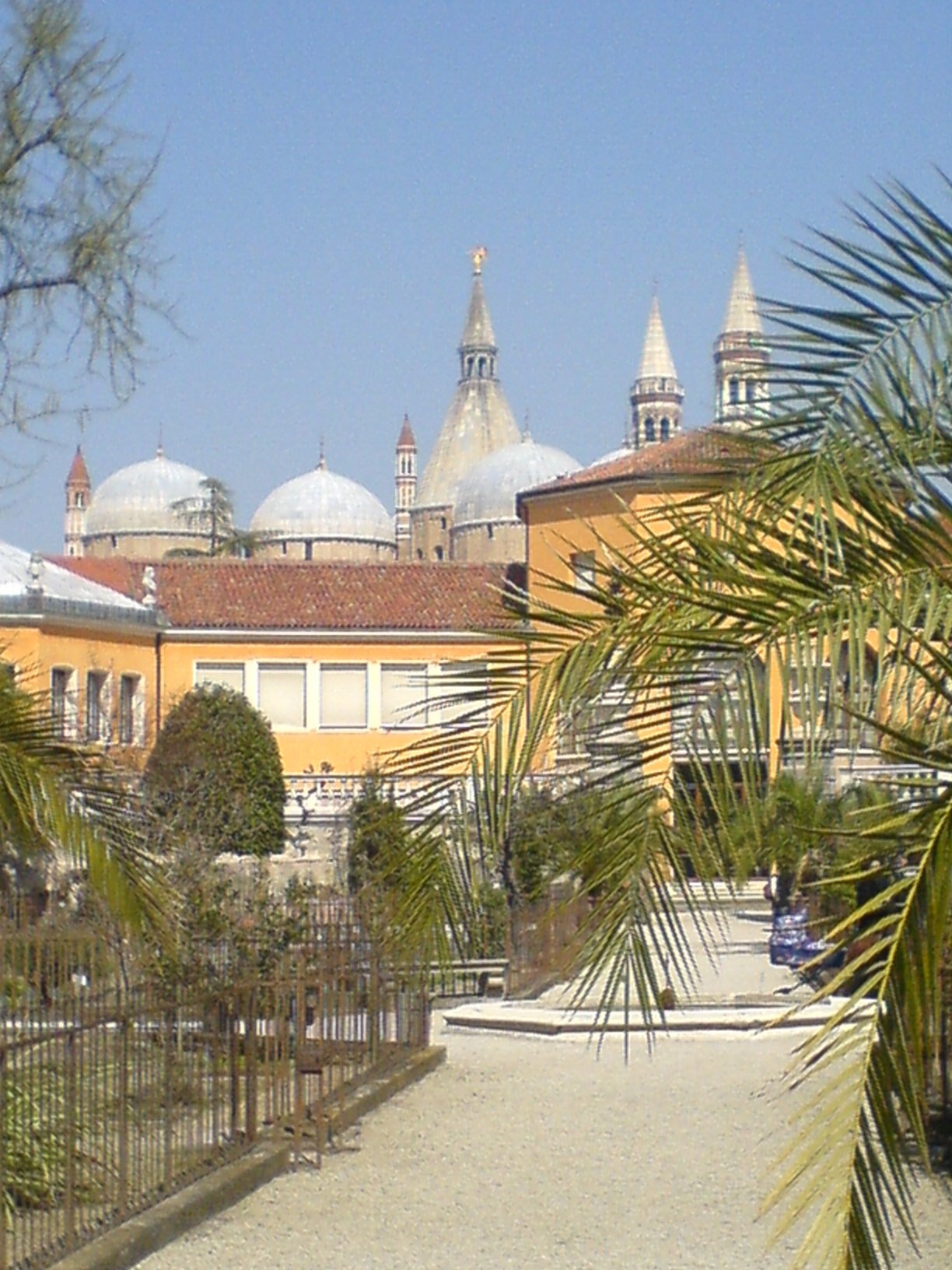
The Orto Botanico di Padova, located in the heart of the city of Padua, Italy, stands as a testament to the enduring legacy of scientific exploration and the pursuit of knowledge. Established on 29 June 1545, this botanical garden holds the distinction of being the world's oldest academic botanical garden still preserved in its original location. The historic garden covers approximately 2.2 hectares (5.4 acres), making it relatively compact in size but exceptional in historical and scientific importance.
The origins of the Orto Botanico can be traced back to the Renaissance period, when the Venetian Republic established a botanical garden for the University of Padua. Its primary purpose was to provide students and scholars, particularly those studying medicine and pharmacy, with a place to cultivate and observe medicinal plants, known at the time as "simples." The garden played a crucial role in improving the teaching of pharmacology by allowing scholars to examine living plant specimens rather than relying solely on written descriptions and illustrations.
The garden's unique Renaissance design reflects its historical significance. The original layout consists of a circular central enclosure divided into four sections by two perpendicular paths and surrounded by a ring of water, reflecting Renaissance ideals of order, harmony, and the classification of nature. Over the centuries, additional features were added, including ornamental entrances, balustrades, irrigation systems, and specialized structures that enhanced both the scientific and aesthetic functions of the garden.
One of the most notable features of the Orto Botanico is its extensive collection of plant species from around the world. Today, the garden is a veritable atlas of the plant kingdom, housing approximately 6,000 individual plant specimens representing around 3,500 distinct species used for research, education, and conservation. Among its most famous specimens is the Goethe palm (Chamaerops humilis), planted in 1585 and named after the German writer Johann Wolfgang von Goethe, who studied the plant during his visit to Padua in 1786. The garden has also historically played an important role in introducing exotic plants to Europe, including species that became significant in agriculture, medicine, and horticulture.
Beyond its historical significance, the Orto Botanico di Padova remains an active and thriving institution and continues to serve as a center for botanical research, education, and conservation. Through its connection with the University of Padua, the garden contributes to the study of plant biology, biodiversity, and the preservation of endangered species. The garden's scientific legacy has influenced botanical gardens throughout Europe and beyond, making it a foundational institution in the development of modern botanical science.
The Orto Botanico di Padova was inscribed as a UNESCO World Heritage Site in 1997 in recognition of its exceptional historical and scientific importance. It is among the few botanical gardens included on the World Heritage List, alongside institutions such as the Royal Botanic Gardens, Kew, in the United Kingdom, and the Singapore Botanic Gardens. It is considered the world's oldest university botanical garden that has retained its original design and location, and it served as a model for botanical gardens established throughout Europe. Its influence can be seen in the development of later gardens dedicated to the study and classification of plants.
Today, the Orto Botanico di Padova offers a captivating glimpse into the history of botanical science while remaining an active institution dedicated to research, education, and conservation. Its remarkable combination of Renaissance design, historic plant collections, and enduring scientific contributions makes it an essential destination for anyone interested in the relationship between humanity and the natural world.
UNESCO Description of the World Heritage Site
The world's first botanical garden was created in Padua in 1545. It still preserves its original layout – a circular central plot, symbolizing the world, surrounded by a ring of water. Other elements were added later, some architectural (ornamental entrances and balustrades) and some practical (pumping installations and greenhouses). It continues to serve its original purpose as a centre for scientific research.
UNESCO Justification of the World Heritage Site
Criterion (ii): The Botanical Garden of Padua has represented a source of inspiration for many other gardens in Italy and around Europe and has influenced both their architectural and functional designs and their didactic and scientific approaches in medicinal plants studies and related disciplines. Since its foundation, it has been at the centre of a wide network of international relationships, contributing to the dissemination of the various aspects of the medicinal plants and botanical sciences and to the preservation of plant species ex-situ. It also made profound contributions to the development of many modern scientific disciplines, notably botany, medicine, ecology and pharmacy.
Criterion (iii): For more than five centuries, the Botanical Garden of Padua has represented an exceptional testimony of scientific and cultural significance. Its position, size and main characteristics, as well as its main research and didactic features, have remained essentially unchanged over centuries with a constant adaptation to the most advanced discoveries in botanical and educational sciences. Many renowned botanists become ‘Praefectus’ of the Botanical Garden of Padua, leaving evidence of their scientific works in the plants named after them (e.g. the Pontederiacae family in honor of Praefectus Giulio Pontedera).
Encyclopedia Record: Orto botanico di Padova
The Orto Botanico di Padova is a botanical garden in Padua, in the northeastern part of Italy. Founded in June 1545 by the Venetian Republic, it is the world's oldest academic botanical garden that is still in its original location. The garden – operated by the University of Padua and owned by the Italian government – encompasses roughly 22,000 square meters (240,000 sq ft), and is known for its special collections and historical design.Additional Site Details
Area: 2.2 hectares
Number of Components: 1
(iii) — Unique or exceptional testimony to a cultural tradition
Coordinates: 45.39911111 , 11.88066667
Image
© Unknown, CC BY-SA 2.5 Resized from original. (This derivative is under the same CC BY-SA license.)